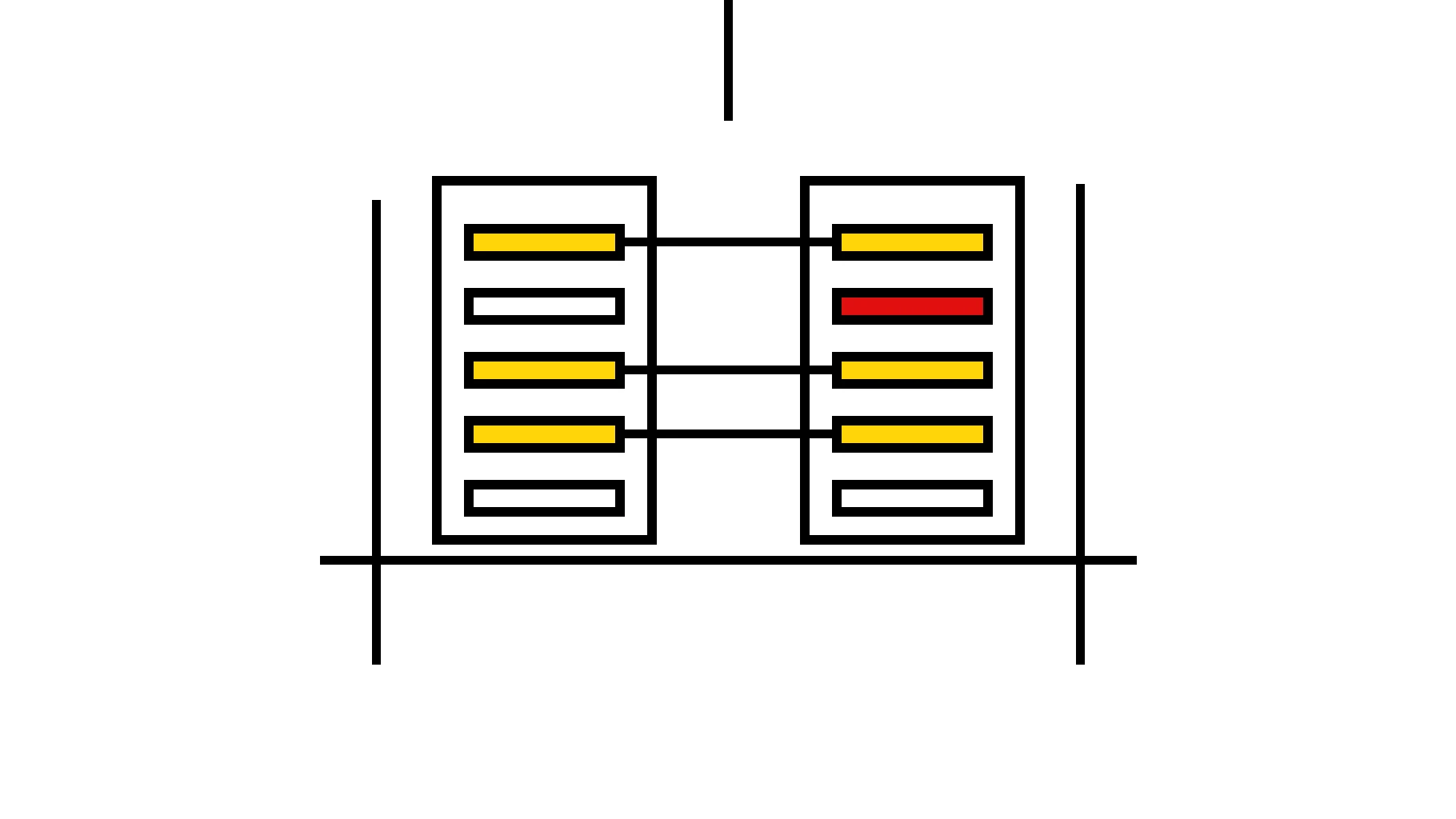
You read the job ad and think: "I could do this." Then you read your CV and think: "Would they know that?"
Good question. Let's run the diff.
How do you compare your CV with a job description to find missing skills? List the job's must-haves, then check each one against your CV: is it there, in words a recruiter would recognise, with evidence? Mark each one as met, missing proof or missing skill. Missing proof is a rewrite you can do today. A missing skill needs a plan, or a different job.
TL;DR
- Extract before you compare. Turn the ad into a list of must-haves and nice-to-haves. Ads are long; the list is usually 5 to 10 items.
- Most gaps are proof gaps. You did the work, but your CV doesn't say so in the job's words.
- Ignore the skills everyone lists. Prompt Engineering and AI Tools Literacy are in the top 10 of 35 of the 44 AI-related roles we track.
- Then tailor. In Huntr's data, tailored CVs got interviews at 5.71%, against 3.09% without.
Step 1: turn the ad into a spec
A job description is a requirements doc written by a committee. Your first job is to pull the actual requirements out of it.
Make two lists:
- Must-haves. Look for "required", "you have", "at least 3 years". Also anything the ad repeats.
- Nice-to-haves. "Bonus", "preferred", "a plus". Nice, not blocking.
Watch for named tools. SQL, Salesforce, Kubernetes, SAP. Recruiters search the ATS for these exact words.
And skip the filler. "Team player with a hands-on mentality" is on every ad since the invention of the ad. It won't decide anything.
Step 2: diff your CV line by line
Now go through the must-haves one by one. For each, ask three questions:
- Is it on my CV? Not "do I have it". Is it written there?
- In words they'd recognise? "Built monthly reports in Excel" is not the same string as "financial reporting".
- With evidence? A project, a number, a result.
Give each requirement one of three labels:
- Met. Present, recognisable, with evidence.
- Proof gap. You can do it, but the CV doesn't show it.
- Skill gap. You genuinely can't do it yet.
This is a diff, not a vibe check. Write it down.
Step 3: fix the proof gaps (cheap)
In my experience, most gaps turn out to be proof gaps. Good news: those are a rewrite, not a course.
- Use their term when it's true. If you managed stakeholders, call it stakeholder management.
- Add the missing facts. Team size, budget, the number that moved.
- Move it up. If this job cares about it most, it goes near the top.
Don't add anything you haven't done. The interview is the integration test, and it runs in production.
Step 4: size the skill gaps (expensive)
Not every skill gap matters equally. Two filters:
Is it specific to this role? Some skills show up almost everywhere. In our data, Prompt Engineering and AI Tools Literacy are each in the top 10 skills of 35 of the 44 AI-related roles we track, and Data Analysis in 33. You need them, but they don't set you apart. Close the gaps that are specific to the role.
How big is it? One tool you can learn in a few weekends is a patch. A whole new core skill set is a rewrite. Compare Financial Analyst with Data Analyst: Excel Automation is in 83% of Financial Analyst postings but only 13% of Data Analyst ones. SQL, in 63% of Data Analyst postings, isn't in the Financial Analyst top 10 at all. That's not a CV tweak. That's a learning plan. Our career transition guide shows how to size that kind of move.
If the gap list is long and mostly real, that's useful information too. Maybe this isn't your job. Maybe a neighbouring one is. Your transferable skills may fit roles with different titles; a search that matches jobs on skills finds those.
Doing this for every application? Automate the boring part
Doing this by hand takes 20 to 30 minutes per job (my estimate, not a measurement). For three jobs that's fine. For thirty, it's a second job.
That's why we built it into SlashHash. Open any job and you see What you need: every must-have, with a tick where your CV already shows it. That's the diff, done for you. It's our free ATS resume checker: a way to match your resume to the job description before you apply.
Then tap Tailor my CV. Slash suggests rewrites of your own sentences to close the proof gaps. For each missing must-have, it asks whether you have the experience but didn't write it down. It adds it only if you confirm. It never invents a skill, and if the overlap is too small to tailor, it says so. That's what we mean by an AI-tailored resume.
FAQ
How can I compare my CV with a job description to identify missing skills? List the job's must-haves, then check each one against your CV: is it written there, in words the employer uses, with evidence? Label each as met, proof gap (you can do it but the CV doesn't show it) or skill gap (you can't do it yet).
What is the difference between a skill gap and a proof gap? A skill gap means you can't do it yet and need to learn it. A proof gap means you can do it, but your CV doesn't show it in a way a recruiter recognises. Proof gaps are fixed with a rewrite.
Should I copy keywords from the job description into my CV? Only for things you've really done. Using the employer's term for your real experience helps recruiters and ATS searches find you. Adding skills you don't have backfires in the interview.
Is there a tool that compares my CV with a job description? Yes. An ATS resume checker lists the job's requirements and shows which ones your CV meets. SlashHash does this on every job for free, and then helps you tailor your CV without inventing experience.
How many missing skills is too many to apply? There's no fixed number. If you meet most must-haves and the gaps are proof gaps, apply. If several core must-haves are real skill gaps, consider a closer role first, or build the skill with a small project.
Your move this week
- Pick one job you actually want. Extract its must-haves into a list.
- Run the diff. Label each must-have as met, proof gap or skill gap.
- Fix every proof gap today. Then check the result with the ATS CV checker.
Want to read the job ad itself better? See how to find the right job: read the spec, not the title. Unsure about the layout? Here's which CV template is best for applicant tracking systems. Using ChatGPT for this? Here's how to use AI tools in your job search without inventing your past.
Figures: SlashHash AI careers snapshot, September 2026: AI-related postings in the Netherlands and Australia over the previous 180 days; it covers AI-related roles only. Huntr, Job Search Trends Q2 2026, 1,994,555 applications; self-reported, directional. The time per manual comparison is my own estimate.